LCD TV Wall Mount Bracket – Mounting a TV Tutorial
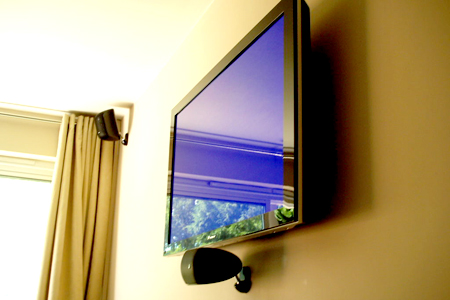 Need to find out the easiest methods to install that stunning television to the wall using a TV Wall Mount? I will give you all of the information you need in order to accomplish this. Why should you think about mounting your TV? Looks great, takes up less room, and also the pride of knowing you mounted your television yourself. Also, by doing it yourself, you will save the money it costs to have a professional do it. Ask a friend for help instead and you will see exactly how easy of a task it can be. Just make sure you follow the steps correctly. It’s not a very good idea to take on the project all by yourself just because it can be hard to lift the display and you might need some help with the drilling while you are putting on the wall mount. You will be surprised how quickly the job can be done if you don’t run into any problems and you will be happy you chose do it on your own. When working with live electrical cables always consult a fully qualified electrician
Types of Wall Mounts
There are many different types of mounts you can choose for the job. Ranging from those that hold the TV very flush on the wall, but offer no way of adjustment, to very advanced mechanized mounts which can be very flexible and will move side to side and up or down. You should order a mount that is of top quality, but not too overpriced. Many retail stores raise the prices on their mounts. I will give you a hint on where I buy my mounts and for my installs at the conclusion of this post. There is a nice selection of mounts that can be found online here: www.flatscreentvinstaller.co.uk
There are many different types of mounts you can choose for the job. Ranging from those that hold the TV very flush on the wall, but offer no way of adjustment, to very advanced mechanized mounts which can be very flexible and will move side to side and up or down. You should order a mount that is of top quality, but not too overpriced. Many retail stores raise the prices on their mounts. I will give you a hint on where I buy my mounts and for my installs at the conclusion of this post. There is a nice selection of mounts that can be found online here: www.flatscreentvinstaller.co.uk
What Does VESA Mean?
In general, wall mounts are manufactured to be VESA compliant. In other words, as long as both your TV and the wall mount are VESA compliant, they will work together. Just make sure you choose the right size mount for your TV. The mount should state what size TV it really is made for and how much weight it can handle.
In general, wall mounts are manufactured to be VESA compliant. In other words, as long as both your TV and the wall mount are VESA compliant, they will work together. Just make sure you choose the right size mount for your TV. The mount should state what size TV it really is made for and how much weight it can handle.
Tools Required
You should already have the tools you need to install the mount. A tape measurer, power drill, screw driver are all you really need. However, a stud finder will definitely make your life easier. Another useful tool would be a level to make sure you don’t have it crooked.
You should already have the tools you need to install the mount. A tape measurer, power drill, screw driver are all you really need. However, a stud finder will definitely make your life easier. Another useful tool would be a level to make sure you don’t have it crooked.
Step-By-Step Installation Walkthrough
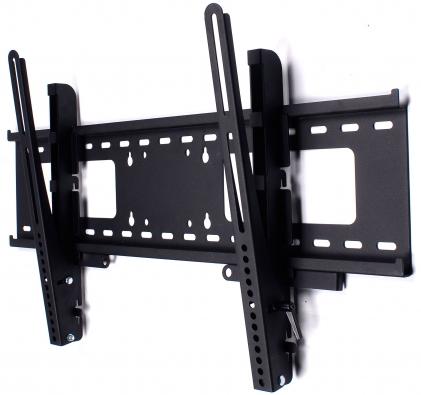
- There is much debate over what the proper height is to hang a TV on the wall. My advice is to cut out some cardboard the dimensions of your television, and have a friend maneuver it around around the wall until you get a rough notion of where you want to place the mount. Once you’re finished debating on the best place to mount your TV, you need to find the studs. In most homes studs can be found 16 inches apart. Normally 2 studs will be enough to mount a TV securely to the wall. However, If you have a larger TV you might want to use 3 studs. You should use a stud finder if you can. They can be found at any hardware store for around 20 dollars. Stud finders will leave you with no doub’t that you are about to drill into the stud. I have drilled many missed holes in the wall without one. All you do with a stud finder is guide it over the wall while pressing a button. It will make a beeping sound automatically once it finds a stud. Then you can mark the spot with a pen or pencil. If you don’t have a stud finder handy, you can measure 16 in. from the electrical outlet or door frame to manually locate it. west end glasgow electricians
- For the next step, I usually screw in the top middle hole on the bracket to the wall. By doing this, you can easily adjust the level to make sure it is looking straight. After you’re done screwing in the bracket to the wall, it is time to find the right sized bolts to fit the back of your TV. Most mounts come with a variety of bolt sizes for you to find the right size bolt for your TV. Once you find the correct bolt for your TV, you attach the mount to the display.
- Now you should have the bracket installed on the wall, and the TV attached to the mount. I usually have a plate hole ready near or in the bracket for your cables to run through the wall for the TV. You’re almost done! Just place the mounted TV to the bolted bracket on the wall to finish the project.
LCD TV Wall Mount Bracket – How to Mount Your Television
 At this time I will explain to you the way to install a Flat screen tv or Lcd Display utilizing a flat screen TV wall mounts. Thinking about contemplate mounting your Flat Screen TV? Looks great, uses up less room, plus the ego from recognizing you installed your Flat Screen TV by yourself. You can also save a lot of money by installing the mount yourself instead of hiring someone else to do it. If you get some help from a friend, it is not a difficult task if you follow the steps correctly. You don’t want to do something like this on your own just because it is hard to lift the display and perform some of the drilling while you’re attaching the mount. But besides that, it actually doesnt require a lot of time but you’ll be happy carrying it out by yourself by the end of the day.
Types of TV Wall Mounts
There’s a wide variety of mounts to select from. The kinds of mounts offered include: low profile mounts (very near to the wall), tilting (not necessarily as close, but may be adjusted upward or down), and tilting and swivel wall mounts (extremely versatile) When selecting a mount it will always be recommended that you select a reputable business which has very good reviews from their customers. At the conclusion of the article, I am going to give a link to the site I purchase my tv wall mounts.
There’s a wide variety of mounts to select from. The kinds of mounts offered include: low profile mounts (very near to the wall), tilting (not necessarily as close, but may be adjusted upward or down), and tilting and swivel wall mounts (extremely versatile) When selecting a mount it will always be recommended that you select a reputable business which has very good reviews from their customers. At the conclusion of the article, I am going to give a link to the site I purchase my tv wall mounts.
VESA explained
The majority of wall mounts you can get today are VESA compliant This means that they will be suited with your Lcd tv as long as they are VESA compliant and you’ve got the correct size wall mount for your television. The mount should state what size TV it really is made for and the way much weight it could handle.
The majority of wall mounts you can get today are VESA compliant This means that they will be suited with your Lcd tv as long as they are VESA compliant and you’ve got the correct size wall mount for your television. The mount should state what size TV it really is made for and the way much weight it could handle.
What types of Tools are Required?
Usually the standard tools are essential to install a tv wall mount. For my installs, I personally use a power drill, tape measurer, screw driver, and stud finder. An additional helpful tool would be a level to make sure you don’t have it uneven.
Usually the standard tools are essential to install a tv wall mount. For my installs, I personally use a power drill, tape measurer, screw driver, and stud finder. An additional helpful tool would be a level to make sure you don’t have it uneven.
Step-by-step Installation Guide
 There’s some discussion over exactly what the appropriate height is to hang a TV on the wall. Make an effort to to cut out a piece of cardboard the dimensions of your television, and also have a friend move it around on the wall until you get a approximate notion of the spot where you wish to position the TV Wall Mount. When you’re done debating on the best place to attach your TV, you have to locate the studs. The standard for studs in most homes is 16 inches apart. Typically 2 studs will be sufficient to mount a TV safely to your wall. Having said that, If you have a heavier TV you may want to use 3 studs. I personally use a stud finder which I bought for around 20 bucks from my neighborhood home improvement center. Utilizing a stud finder can make your life much easier. You simply press the button on the stud finder and guide it along the wall. It will make a beeping sound automatically once it finds a stud. Then you can simply mark the spot using a pen or pencil. Without a stud finder, you are able to measure 16 inches from a door frame or an electrical socket.
 There’s some discussion over exactly what the appropriate height is to hang a TV on the wall. Make an effort to to cut out a piece of cardboard the dimensions of your television, and also have a friend move it around on the wall until you get a approximate notion of the spot where you wish to position the TV Wall Mount. When you’re done debating on the best place to attach your TV, you have to locate the studs. The standard for studs in most homes is 16 inches apart. Typically 2 studs will be sufficient to mount a TV safely to your wall. Having said that, If you have a heavier TV you may want to use 3 studs. I personally use a stud finder which I bought for around 20 bucks from my neighborhood home improvement center. Utilizing a stud finder can make your life much easier. You simply press the button on the stud finder and guide it along the wall. It will make a beeping sound automatically once it finds a stud. Then you can simply mark the spot using a pen or pencil. Without a stud finder, you are able to measure 16 inches from a door frame or an electrical socket.
For the next step, I normally screw in the top center hole on the bracket to the wall. This should help you be able to easily level the mount prior to screwing the remaining holes of the mount to the studs.Then all you need to do is choose the right bolts to match the holes around the back of the display. Nearly all mounts you can get today, can come with plenty of sizes of bolts so you have a match for the display. Then you’ll attach the mount to the TV.
So now the bracket is bolted to the wall, and the mount is bolted to the flat panel TV. If you’d like to make sure your install is as clean as possible, you’ll want to cut out an opening in the wall nearby the bracket for your wires to hide in the wall. You’re almost finished! Just place the mounted TV to your bolted bracket on the wall to finish the project.
